
Bock Casemates History: From Castle Rock to UNESCO Site
This guide contains affiliate links. If you book through them we may earn a commission at no extra cost to you. Learn more
The Bock Casemates are galleries cut into the Bock rock by Austrian engineers from 1745. They were part of a network of about 23 km of underground passages that made Luxembourg one of the strongest fortresses in Europe, which is why it was called the “Gibraltar of the North”. After the fortress was dismantled under the 1867 Treaty of London, about 17 km survived. The casemates sheltered civilians in wartime, opened to visitors in 1933 and have been part of a UNESCO World Heritage Site since 1994.
Here is the story in order, with the dates the Luxembourg City Tourist Office (LCTO) and UNESCO use.
Timeline of the Bock Casemates
| Year | What happened |
|---|---|
| 963 | Count Siegfried acquires the Bock promontory. This is the traditional founding date of Luxembourg City, and a castle rises on the rock. |
| 1644 | The first casemates are dug under Spanish rule. |
| 1680s | The French engineer Vauban strengthens and extends the fortress. |
| 1735 | The Austrians build the Castle Bridge (Pont du Château). |
| 1745 | Construction of the Bock Casemates begins under the Austrians. |
| 1746 | The Pétrusse Casemates (Batterie de la Pétrusse) are built. |
| 1794–95 | An eight-month siege. Field Marshal von Bender uses the casemates. |
| 1867 | The Treaty of London: the fortress is evacuated and dismantled. The work takes 16 years. |
| 1933 | The casemates open to the public. |
| World wars | The galleries serve as shelters. The LCTO puts their capacity at about 35,000 people. |
| 1994 | UNESCO lists the old quarters and fortifications as a World Heritage Site. |
A castle on the Bock rock
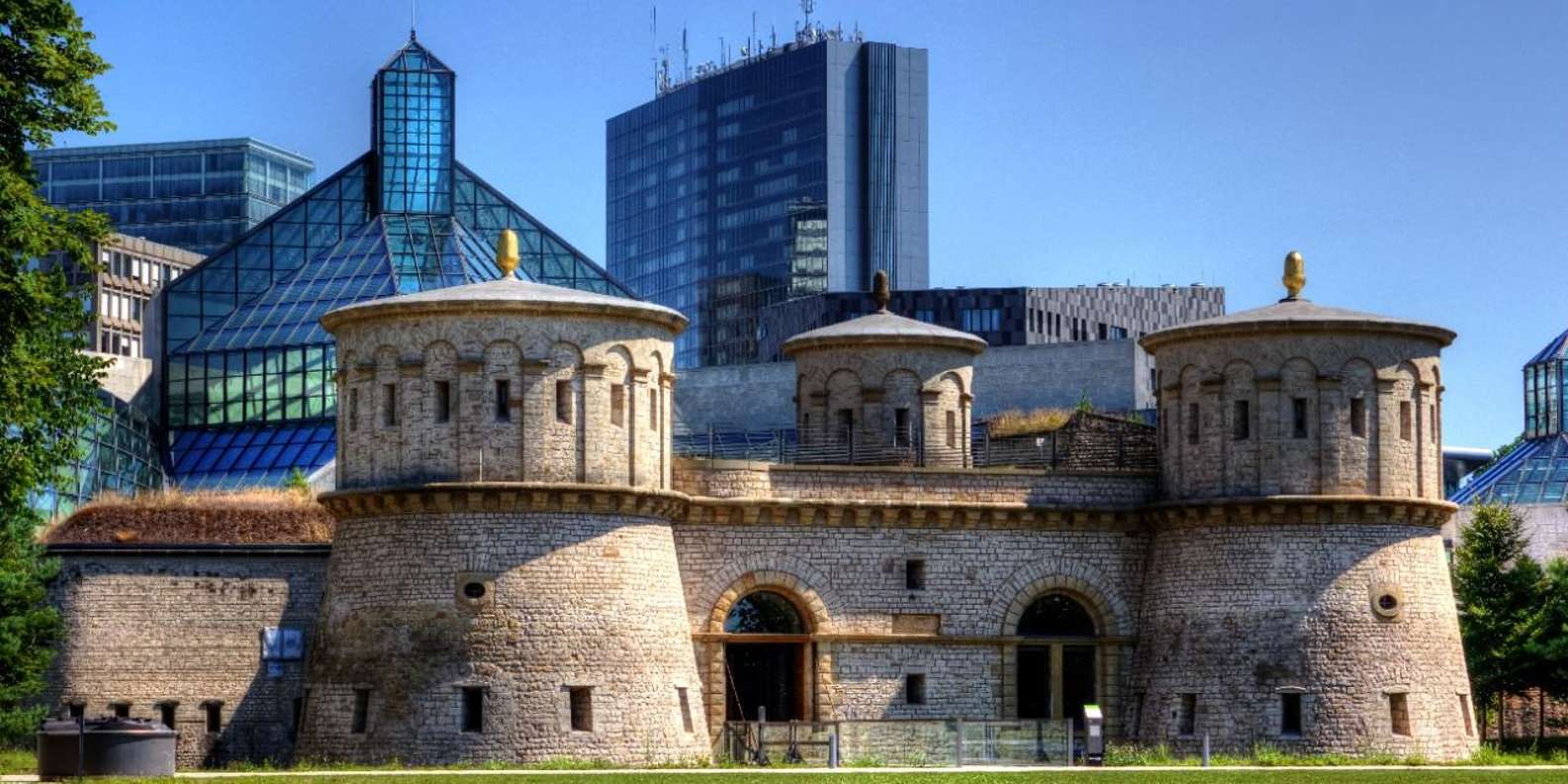
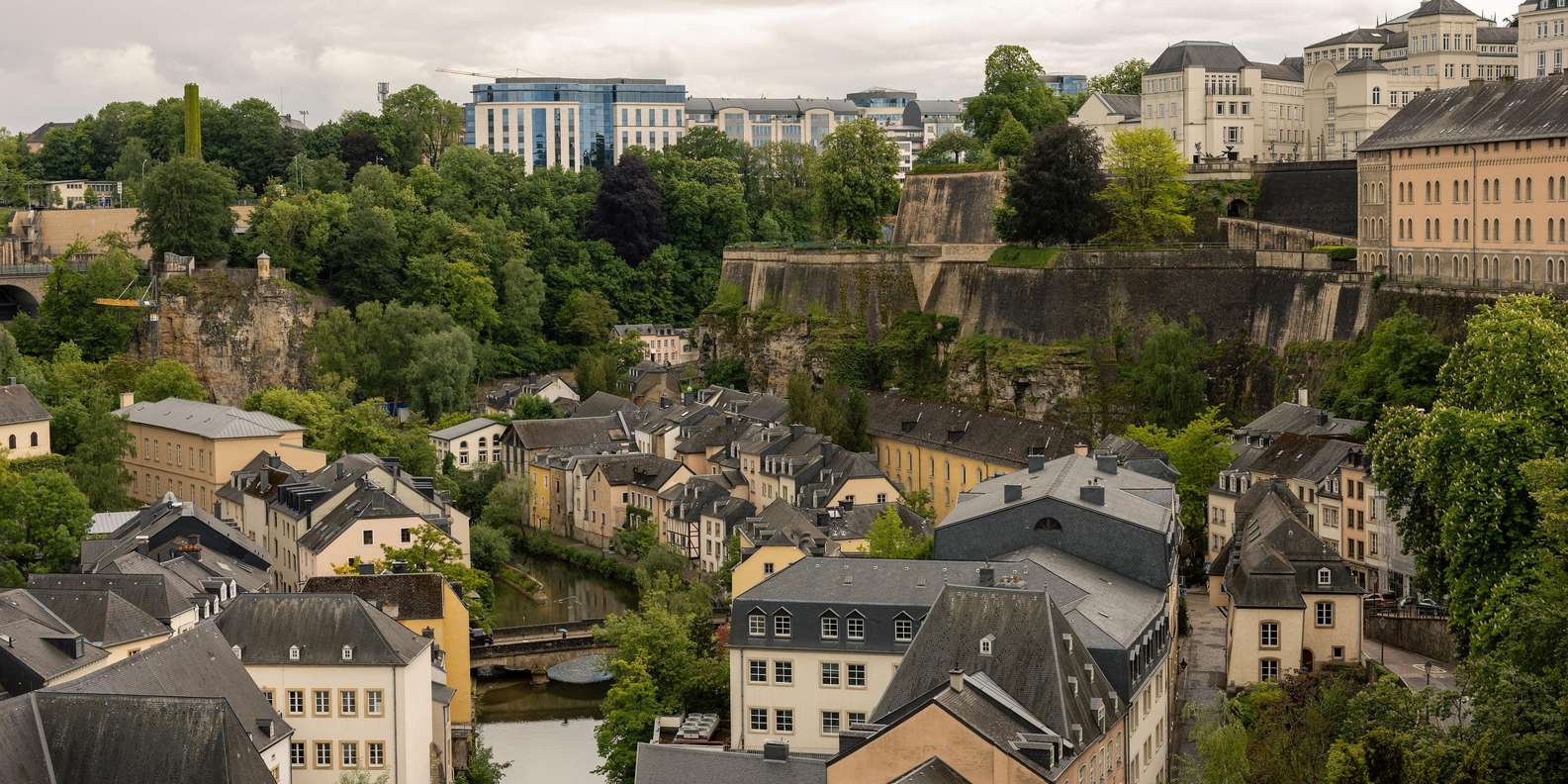
The Bock is a sandstone spur. On three sides it drops steeply to the Alzette valley, which made it an obvious place to defend. According to the LCTO, Count Siegfried built his castle on the rock in the 10th century, and the city traces its founding to 963. A walled town grew up behind the castle, and UNESCO notes that by the 12th century there was a fortified settlement around it. Over the next centuries the fortress passed through Burgundian, Habsburg, Spanish, French, Austrian and Prussian hands. Each power added a new layer of walls, bastions and tunnels.
Very little of the medieval castle is left above ground. Inside the casemates, the archaeological crypt at the entrance shows foundations uncovered during excavations in 1993. The visitor route also passes the castle’s 47-metre-deep well.
Spanish beginnings and Vauban’s fortress
Gunpowder changed fortress design. High walls became easy targets, so engineers dug into the rock instead and built bomb-proof vaults where guns, troops and supplies were safe. The LCTO dates the first casemates to 1644, under Spanish rule. When French troops held the city in the 1680s, Vauban, Louis XIV’s great military engineer, expanded the defences. UNESCO names him among the builders who turned Luxembourg into a model fortress city.
The Austrian casemates of 1745
The galleries you visit today date mainly from the Austrian period. The Austrians built the Castle Bridge across the old castle moat in 1735. In 1745 they began the Bock Casemates proper. According to the LCTO leaflet, they cover about 1,100 m², with a main gallery 110 metres long and 7 metres wide. There was room for about 50 cannons and 1,200 soldiers and their horses. The galleries held workshops, kitchens, bakeries and slaughterhouses. A well gave them fresh water, so the garrison could survive a long siege.
The whole underground system eventually stretched about 23 km, with galleries cut up to 40 metres deep. The archives hold more than 1,300 plans of it. UNESCO credits this Austrian work with earning Luxembourg its nickname, the “Gibraltar of the North”.
You run your hand along the chisel marks in the main gallery, where the rock still shows the work of eighteenth-century tools. Through a loophole the daylight falls in a narrow band, and outside the valley looks the way it did for the gunners who waited here. You can almost hear the hooves and cartwheels that once filled this long vault.
The siege of 1794–95
The fortress was tested during the French Revolutionary Wars. French forces besieged Luxembourg for eight months in 1794–95. The Austrian commander, Field Marshal Baron von Bender, was 82 years old. He used rooms in the Bock Casemates during the siege, and they are still part of the visitor route. In the end the garrison surrendered, and the casemates came through intact.
The LCTO also lists famous visitors: Emperor Joseph II in 1781, Napoleon I in 1804, Prince Henry of the Netherlands in 1868, Grand Duchess Charlotte in 1936, and Grand Duke Henri and Grand Duchess Maria Teresa in 2000.
1867: dismantling the “Gibraltar of the North”
After the Congress of Vienna, a Prussian garrison held the fortress for the German Confederation. In 1867 a crisis over Luxembourg’s future was settled by the Treaty of London. Luxembourg was declared neutral, the garrison left, and the fortress had to be demolished. The LCTO says the work took 16 years. Walls, gates and bastions disappeared, and parks and boulevards took their place.
The casemates were harder to remove. Blowing up all the galleries would have damaged the town above them. So the main passages were sealed, and the network shrank from about 23 km to about 17 km. Those 17 km are what survives today, and a small part is open to visitors.
Shelters in the world wars
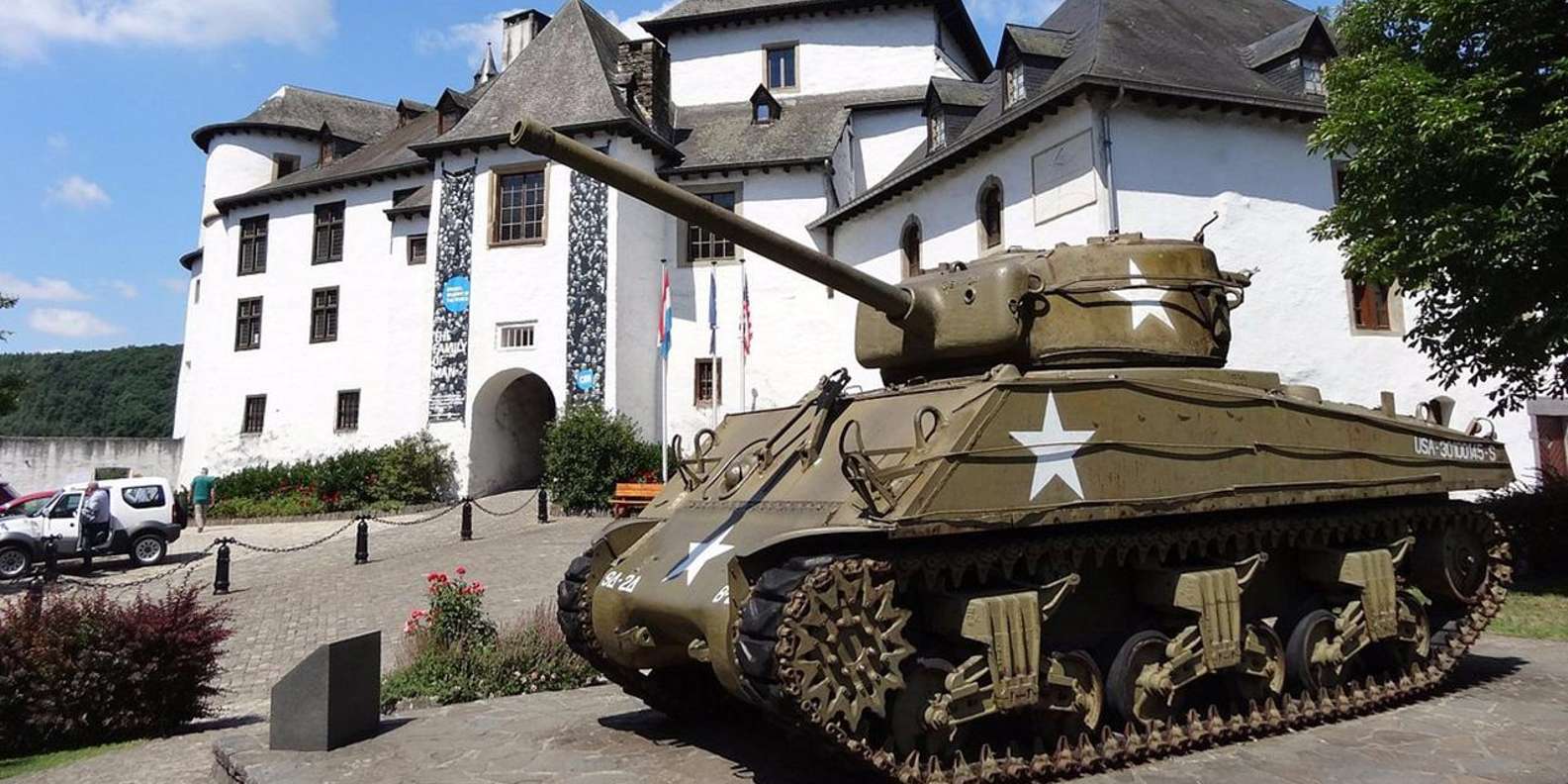
In the 20th century the galleries found a new use. During the two world wars they served as air-raid shelters. The LCTO says they could protect about 35,000 people during an alert or bombardment. Its blog speaks of “over 30,000”, so treat the figure as an approximate capacity, not a headcount. If you want to see more of Luxembourg’s Second World War history, the battlefields of the Ardennes in the north are covered by tours from the capital (see our day trips from Luxembourg City).
Opening to visitors and UNESCO listing
The first visitors went underground in 1933, and the casemates have been open to the public ever since. In 1994 UNESCO added “City of Luxembourg: its Old Quarters and Fortifications” to the World Heritage List under criterion (iv). The listing recognises the fortress as an outstanding example of military architecture over several centuries. The Bock and Pétrusse Casemates are among its best-preserved parts.
Today the Bock Casemates are one of the city’s main sights. The LCTO expected around 200,000 visitors in 2024. The Pétrusse Casemates reopened after a 2017–2022 restoration and got a new reception pavilion in December 2024. Our comparison of Bock vs Pétrusse Casemates explains how the two differ.
How to see the history for yourself
- Inside the rock: a self-guided ticket costs €11 for adults (2026). See our tickets and opening hours page.
- On a city walk: a two-hour old-town walking tour covers the Bock promontory and the Corniche from outside.
- With a guide: the official one-hour tour explains the siege, the garrison and the dismantling. See our guided tours page.
- Above ground: walk the Chemin de la Corniche, built on 17th-century ramparts, and the Wenzel walk along the 14th-century city wall.
- With a specialist: the Europe’s Greatest Fortifications private tour focuses on the fortress itself.
See the fortifications private tour →
Frequently asked questions
Who built the Bock Casemates?
The Bock Casemates were begun by Austrian engineers in 1745. The first casemates in Luxembourg date from 1644, under Spanish rule, and Vauban extended the fortress in the 1680s.
Why is Luxembourg called the Gibraltar of the North?
Because its fortress, with rock-cut casemates, bastions and walls, was considered almost impossible to take. UNESCO links the nickname to the Austrian works of the 18th century.
How long are the Luxembourg casemates?
The network once stretched about 23 km. After the dismantling that followed 1867, about 17 km survived. Only a small part is open to visitors.
Were the casemates used in World War II?
Yes. In both world wars the galleries served as air-raid shelters. The Tourist Office gives a capacity of about 35,000 people.
When did the Bock Casemates become a UNESCO site?
In 1994, as part of the World Heritage Site City of Luxembourg: its Old Quarters and Fortifications.